Mining licenses, codes and concessions — the legal backbone of every project
A deposit is only an opportunity until the paperwork makes it a project. Exploration and mining licenses, mining conventions and concessions, surface-rights and land access, renewals and transfers, and the stabilization terms that protect a multi-year investment — these decide whether capital is safe and whether a discovery can ever be built. We draft, review and negotiate those instruments, and we read the fine print in the ones you have been handed, so you know exactly what you hold before you commit.
Every jurisdiction and every mineral is different, and the first step is a conversation about your deposit, your counterpart and your timeline. From there you work directly with the lawyer handling your file — no chain of intermediaries. Bring us the license, the convention or the draft agreement, and we will tell you in plain words what it does and where it bites.
- Exploration and mining licenses and permits
- Mining conventions and concession agreements
- Surface rights, land access and resettlement terms
- License renewals, extensions and transfers
- Stabilization and change-in-law protection
- Title, due diligence and regulatory review
Africa mining law: OHADA, CEMAC and the national mining codes
Across Africa, the mining code and the state's expectations shape every deal as much as the orebody does. Many jurisdictions take a free-carried state interest, set royalties and fiscal terms in the code, and increasingly require that value be added at home — export restrictions and local-processing mandates on manganese, lithium and other raw minerals are reshaping how projects are planned. In the OHADA region, company, security and arbitration rules are harmonized across seventeen states, and in CEMAC, foreign-exchange and repatriation rules reach extractive revenues directly.
We help investors and miners read a national mining code against the realities of financing and offtake, structure around state participation and local-content obligations, and plan for value-addition rules before they become a crisis rather than after. Where a project needs local counsel or regulator engagement, we coordinate it. The goal is a project that survives the law of the host country, not one that merely complies on the day it is signed.
Deals, financing and offtake for miners and investors
Minerals move through a chain of agreements — who explores, who operates, who funds, who buys — and each link is a place a project can gain or lose value. We structure and negotiate the joint ventures and farm-ins that bring in partners and capital, the offtake and streaming arrangements that sell future production, the royalty deals that monetize an interest, and the project financing that ties them together, including the political-risk cover and multilateral support that make frontier projects bankable.
Whether you are an investor taking a stake, a producer selling output, or a buyer securing supply, we draft the terms around price, delivery, quality, change of control, default and dispute resolution so the deal holds when conditions change. Show us the structure you have in mind and we will pressure-test it before you sign.
- Joint ventures, farm-ins and shareholder agreements
- Mining M&A, asset sales and transfers of interest
- Offtake, sales and streaming agreements
- Royalty agreements and project financing support
Critical minerals and the Africa–U.S. supply chain
Lithium, cobalt, copper, manganese, graphite and the rare earths are now strategic, and the United States and its partners are working to secure supply outside a single dominant source. Africa holds much of what the energy transition and defense supply chains need, and U.S. public finance — the DFC, the Export-Import Bank and the Minerals Security Partnership — is increasingly willing to back projects that reach Western buyers. That demand is an opening for African producers and for U.S. companies that want to lock in supply.
We help structure those cross-border deals so they work for both sides: offtake into U.S. and allied markets, financing that satisfies the host country and the lender, and compliance with sanctions, forced-labor and supply-chain-diligence rules that buyers now insist on. If your next mineral venture crosses the Atlantic, start the conversation with us.
- Offtake and supply agreements into U.S. and allied markets
- DFC, Ex-Im and multilateral financing support
- Supply-chain diligence, sanctions and forced-labor compliance
- Structuring and political-risk mitigation for frontier projects
A lawyer for every mineral — gold, copper, lithium, rare earths and more
Every mineral carries its own law: its own licensing regime, its own export and value-addition rules, its own buyers and its own risks. We act across the metals and minerals that matter most to Africa and to the world's supply chains — for investors, producers and off-takers. Wherever your deposit sits and wherever its output is going, the work funnels to one place: a clear plan and a direct line to the lawyer who will handle it.
Gold
Gold is Africa's most widely mined metal, from Ghana, Mali and Burkina Faso to Tanzania, South Africa and Sudan. A gold mining lawyer's work runs from exploration and mining leases to royalty and stabilization terms, the line between artisanal and large-scale title, export and refining permits, and the joint ventures and financing that bring a deposit into production. We structure and negotiate those agreements and read the ones you already hold.
Copper
The Central African Copperbelt — Zambia and the Democratic Republic of the Congo — holds some of the richest copper on earth, and copper is the metal the energy transition cannot do without. The legal questions are shifting royalty and tax regimes, mining licenses and their renewal, power and smelting agreements, and the offtake that sells concentrate or cathode abroad. We help copper investors and producers model the fiscal terms, hold their licenses securely and lock in their buyers.
Cobalt
The Democratic Republic of the Congo produces most of the world's cobalt, and every ton now moves under scrutiny. Cobalt work is as much supply-chain law as mining law: OECD and buyer due diligence, the artisanal-sourcing question, export rules, and offtake into an electric-vehicle battery market bound by United States and European content and forced-labor rules. We structure cobalt deals that satisfy the host state, the lender and the battery maker at once.
Lithium
Africa's lithium — in Zimbabwe, Mali, Namibia and the Democratic Republic of the Congo — sits at the center of the battery race, and host states increasingly restrict raw-ore export to force processing at home. A lithium mining lawyer plans around those value-addition rules, structures spodumene and concentrate offtake to battery and cathode makers, and builds the financing and partnerships that fund a mine and a plant together.
Rare earths
Rare earth elements are strategic, and the United States and its allies are financing supply outside a single dominant source. African projects — in Malawi, Tanzania, Burundi, Angola and South Africa — are drawing that capital. The legal work is processing and separation agreements, offtake into Western markets, support from the DFC, the Export-Import Bank and the Minerals Security Partnership, and export-control and sanctions compliance. We put those cross-border structures together.
Manganese
Gabon's Moanda is one of the largest manganese deposits on earth, and manganese is essential to steel and increasingly to batteries. Our founder began his career advising the Government of Gabon on exactly these transactions. A manganese lawyer handles concessions and conventions, the value-addition and local-processing push, the rail and port agreements that move the ore, and the offtake that sells it — work we know from the government side as well as the investor's.
Iron ore
West Africa holds iron ore on a continental scale — Guinea's Simandou, with deposits in Liberia, Sierra Leone and Mauritania. These are infrastructure deals as much as mining deals: mining conventions, the rail and port that make a deposit shippable, multi-party financing, and long-term offtake to steelmakers. An iron ore lawyer holds all of those moving parts together so the project is bankable.
Bauxite
Guinea holds the world's largest bauxite reserves, and the pressure now is to refine it into alumina at home rather than ship it raw. Bauxite work means concessions, value-addition and refinery agreements, the rail-and-port logistics that decide a project's margin, and the offtake and investment — often from the Gulf and Asia — that fund it. We structure and negotiate those agreements for investors and producers.
Uranium
Niger and Namibia are among the world's leading uranium producers, and Gabon was once a producer too — uranium is part of our founder's government-side background. A uranium lawyer works with mining permits and state participation, the export controls and non-proliferation rules that govern nuclear fuel, and the long-term offtake to utilities. We handle that regulated, cross-border work from permit to delivery.
Diamonds
Botswana, Angola, the Democratic Republic of the Congo, South Africa and Namibia make Africa the heart of the diamond trade. A diamond lawyer's work spans mining licenses, the Kimberley Process and its certification, sorting, valuation and marketing agreements, state beneficiation policies, and the partnerships that tie a mine to a global buyer. We advise producers and investors across that chain.
Whichever metal or mineral you are mining, buying or financing — in Africa, the United States or anywhere in the world — the next step is the same: a conversation with the lawyer who will handle it.
Book a consultationA mining lawyer who began on the government side, in Gabon
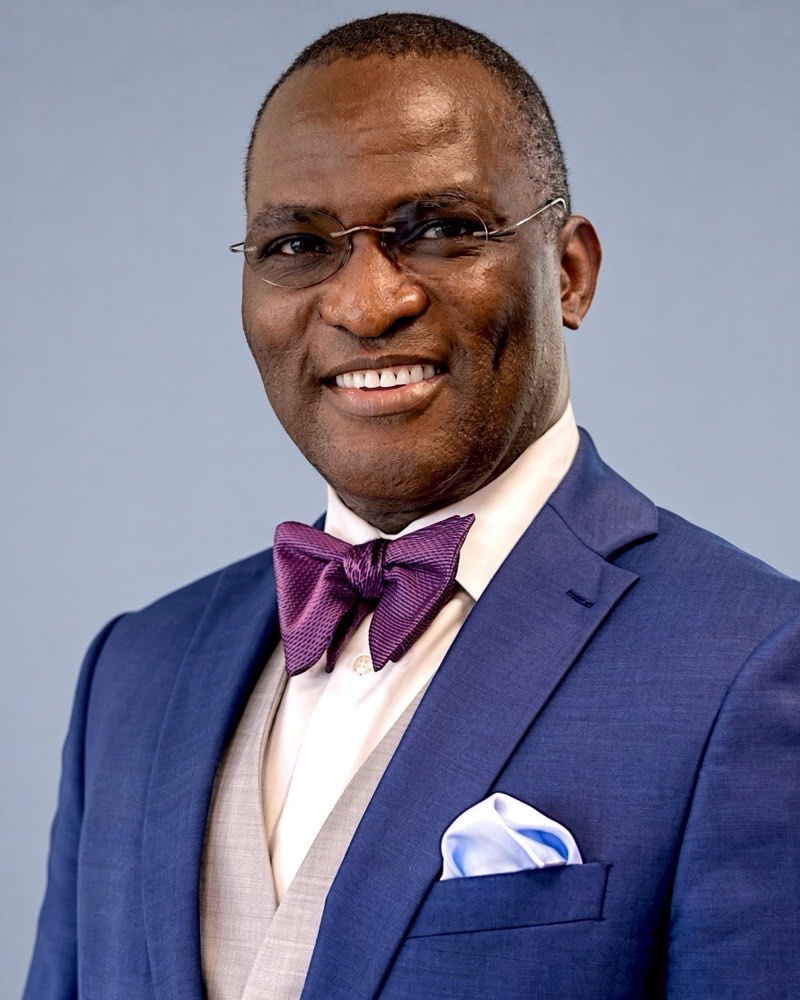
In Africa, a deal can stand or fall on understanding how the state thinks. Georges C. Nama began his career in Libreville advising the Government of Gabon on oil, gas and mineral transactions — including manganese and uranium, two of the minerals that made Gabon a resource economy. That early work on the government side is why he reads a mining code, a state participation clause or an export rule the way the ministry that wrote it does.
With offices in Lagos and Abuja and work in English, French and Spanish, the firm advises on mining projects and cross-border mineral deals across Central and West Africa and the OHADA region, coordinating with local counsel where a project needs it. For the regional picture, read our weekly intelligence brief and our analysis of Africa's resource reforms. If you are building, buying or financing a mine, let's talk.
What to look for in a mining lawyer for Africa
- Fluent in mining licenses, conventions, codes and concessions
- Comfortable with state participation, royalties and fiscal regimes
- Understands local content, value-addition and export rules
- Cross-border experience linking African projects to global capital and buyers
- Able to coordinate with local counsel and regulators on the ground
- Works in the languages you need — here, English, French and Spanish
- Offers a free consultation and a clear scope and fee before any work begins
Latest news
From our weekly Oil & Gas Intelligence Brief:
- Chevron is moving to replace Russia’s Lukoil as operator of Iraq’s giant West Qurna-2 oilfield, with Baghdad now targeting a signed contract before year-end. (November 3, 2026)
- On November 4, Aliko Dangote broke ground near Walvis Bay, Namibia, on a $2.5 billion fuel-storage and regional pipeline project, and raised his Africa investment target to $60 billion by 2030. (November 4, 2026)
- Eni has started the Coral North FLNG drilling-and-completion campaign offshore Mozambique, holding a 2028 startup target. (November 1, 2026)
- Nigeria’s regulator will open the 2026 licensing-round bid portal on November 20, offering 40 blocks across onshore, shallow-water and deepwater acreage. (Portal opens November 20, 2026)
- The supermajors posted sharply higher third-quarter profits and bigger buybacks, giving them fresh firepower for deals. (Late October 2026)
- Oil and gas arbitration is climbing the investor agenda in Africa, and the durable fix is contract design, not freezing the law. (Week of November 9, 2026)
Frequently asked questions
What does a mining lawyer do?
A mining lawyer handles the legal instruments behind a mineral project: exploration and mining licenses, mining conventions and concessions, surface rights, joint ventures and farm-ins, offtake and royalty agreements, financing, and compliance with the host country's mining code, royalties and local-content rules. We draft and negotiate these, review the ones you already hold, and explain the risks in plain terms — for investors, producers and buyers.
Which minerals do you work across?
Gold, manganese, bauxite, diamonds and uranium — long-standing African resources — and the critical minerals driving the energy transition and technology supply chains: lithium, cobalt, copper, graphite and the rare earths. The legal framework differs by mineral and by country, especially on export and value-addition rules, so the analysis is always specific to your deposit and jurisdiction.
Do you handle mining matters in Africa?
Yes. We have offices in Lagos and Abuja, and our founder began his career advising the Government of Gabon on mineral transactions, including manganese and uranium. We advise on national mining codes, the OHADA harmonized framework and CEMAC foreign-exchange rules across Central and West Africa, coordinating with local counsel and regulators where a project needs it.
What is a mining convention or concession?
It is the core agreement between a state and an investor setting the terms on which minerals may be explored and mined — the area, the duration, the fiscal and royalty terms, the state's participation, and the obligations on employment, local content and the environment. Because it governs a project for many years, the wording matters enormously, which is why it should be read and negotiated carefully before signing.
How are mining royalties and state participation handled in Africa?
Most African mining codes set royalties and may give the state a free-carried or participating interest in the project, and terms vary widely by country and mineral. We help investors understand what the code requires, model the fiscal impact, and negotiate the matters that are open — so you commit capital knowing what the state will take and when.
What are local-content and value-addition rules, and why do they matter?
Local-content rules require projects to use local suppliers, labor and services, and value-addition rules require minerals to be processed in-country rather than exported raw — bans and restrictions on raw manganese, lithium and other minerals are spreading. They reshape a project's cost, timeline and structure, so they should be planned for from the start, not discovered late.
Can you help U.S. or global companies secure critical-minerals supply from Africa?
Yes. We structure cross-border deals — offtake into U.S. and allied markets, financing with support from the DFC, Ex-Im Bank or multilateral lenders, and compliance with sanctions, forced-labor and supply-chain-diligence rules — so a project works for the host country, the lender and the buyer at once.
Who is the mining lawyer at KNLF?
Georges C. Nama, Esq., our Co-Founder and Managing Partner, leads the firm's mining and critical-minerals work. He has more than 25 years of experience, beginning in Gabon advising the government on oil, gas and mineral transactions, and is a member of the Association of International Energy Negotiators (AIEN). He advises investors, producers and buyers on licenses, conventions, joint ventures, offtake, royalties and cross-border mineral deals, for clients in Texas, across the United States and internationally.
Do you handle mining matters outside Africa?
Yes. Much of our mining work is in Africa, but we act for investors, producers and off-takers worldwide, and for United States and other companies securing supply from African and global projects. Mining structuring, offtake, financing and compliance are cross-border by nature, and we build each deal for every jurisdiction it touches.
Can you act as our lawyer for a specific metal — copper, cobalt, lithium or rare earths?
Yes. We work mineral by mineral — gold, copper, cobalt, lithium, rare earths, manganese, iron ore, bauxite, uranium and diamonds — because each carries its own licensing, export and offtake rules. Tell us the mineral, the country and your role in the deal, and you work directly with the lawyer handling it.
Your license, your joint venture or your offtake deserves a clear plan: book a consultation with our mining and critical-minerals lawyers today.
Book a consultationOfficial sources: OHADA · USGS Mineral Commodity Summaries · U.S. International Development Finance Corporation · U.S. State Department: Minerals Security Partnership
This page provides general information, not legal advice. Every situation depends on its facts. Contacting the firm does not create an attorney-client relationship.